Building a Recurring Payments Business: Our Founder’s Stripe Community Talk
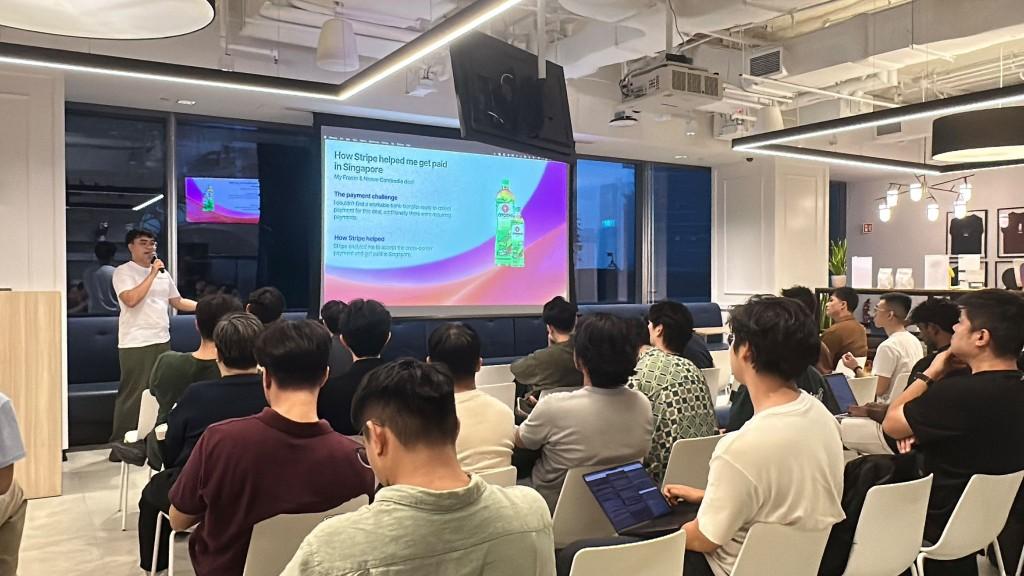
On 16 October 2026, our founder Chen Yanguang, Stripe community builder for Singapore, led Beyond Payments: Building Recurring Revenue with Stripe, a Singapore Stripe community meetup at Mapletree Anson. He spoke about how to build a business on recurring payments, and how Stripe made it possible for a small Singapore studio to work with a client overseas and still get paid at home.
Beyond one-time payments
The meetup looked at how developers can help businesses move from large one-time purchases to flexible recurring revenue. A one-off sale ends when the invoice is paid. A recurring payment keeps a relationship going: the customer keeps getting value, and the business keeps earning the right to be paid next month.
The session worked through four kinds of business that suit this model: websites delivered as an ongoing service, monthly memberships, professional services and software products. The first one is how Web Wizards works. Most of our engagements run on a monthly subscription rather than a large upfront project fee, because websites and software are never really finished after launch.
The guiding idea was simple: understand the business model first, then use Stripe to bring it to life.
The Stripe tools behind a recurring model
CheckoutA hosted payment page where the customer chooses a plan and starts a subscription, without the business building and securing its own payment form.
BillingSubscriptions create the invoice and charge the saved payment method each cycle. Automatic retries and reminder emails recover many failed payments before they turn into lost customers.
The customer portalCustomers update a card, change plan, download invoices or cancel on their own, without a support ticket for each request.
WebhooksStripe tells your system when an invoice is paid or a subscription ends, so what a customer can use always matches what they have paid for.
How Stripe took us overseas
The case study in the talk came from our own books. We had won work with Oyoshi, a beverage brand operating in Cambodia. The work itself is written up in our AEO case study and our AI-powered 3D PWA case study.
Winning the deal turned out to be easier than collecting the money. We could not find a workable bank-transfer route to receive payment from Cambodia, and the engagement included recurring payments, so the problem would come back every billing cycle rather than once.
Stripe solved it. It let us accept the cross-border payment from the client and receive the funds in Singapore. The recurring part stopped being a monthly chore, because Stripe handles each charge on schedule.
That changed which work we could say yes to. Once getting paid across a border was solved, the location of a client stopped being a deciding factor. Today we work with clients in Singapore, Cambodia, Vietnam, Malaysia and China.
The lesson for small businesses. Expanding overseas is often described as a sales or marketing problem. For us, the first obstacle was much plainer: whether we could get paid. Payment infrastructure decided which deals were possible before any pitch did.
An evening of conversation, not pitches
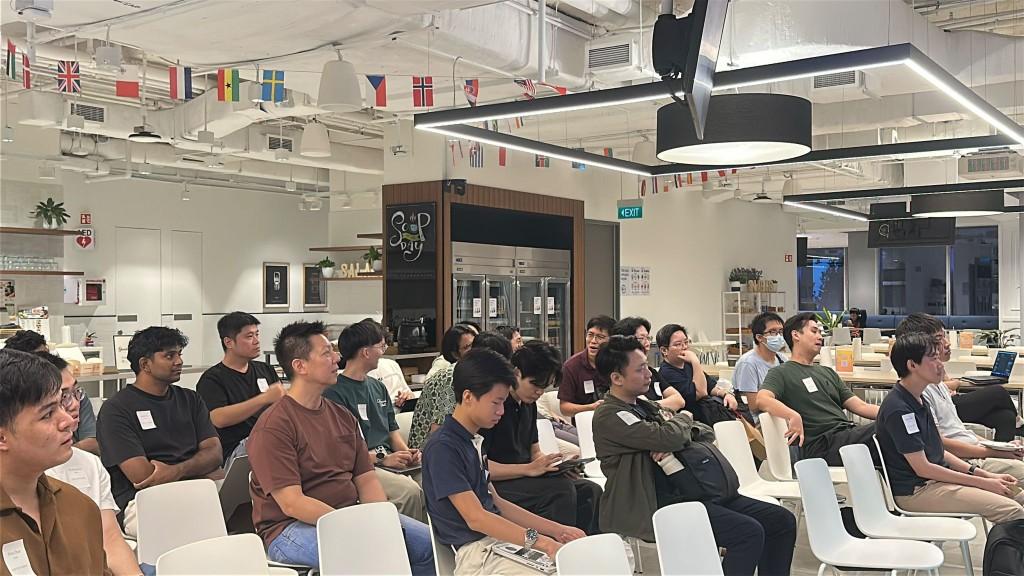
The Singapore Stripe community brings together engineers, designers, product builders, startup founders, open source contributors and people writing their first lines of code. The meetup was built for that mix: no lengthy presentations and no sales pitches, just practical examples and time to talk with people working through similar business and technical problems.
After the talk, an informal show and tell let participants share what they were building. Early ideas, open questions and demos were all welcome, and nobody needed a polished pitch. The evening closed with a tour of stripecommunity.com and a discussion of future Singapore events on payments, recurring revenue, SaaS, ecommerce, marketplaces and founder operations.
The event page on the Stripe community site has the slides and more photos from the night.
What we would tell a business starting out
- Understand the business model first - decide what the customer pays for each month and why, before choosing plans, prices or tools.
- Settle how you will be paid before you sign - collecting from another country is a commercial question, not just an accounting one. Know the route before the contract is final.
- Automate the recurring part from the first invoice - a subscription that depends on someone remembering to send an invoice is not yet a recurring business.
- Treat a failed payment as a customer moment - most failed charges are an expired card, not a decision to leave. A polite reminder and a retry usually keep the customer.
More from our work with Stripe
The meetup is one part of how we take part in the Stripe community. We also designed and modelled 3D merchandise for the Stripe community, and we are a Stripe Climate member, directing a share of our revenue to permanent carbon removal.
Building a subscription business, or selling across borders?
We build Stripe payments and subscriptions into websites and web apps, from the pricing page to the webhooks that keep your records in sync.